Beginner's Guide to Nutrition
Understanding Protein, Carbohydrates and Fats
Introduction
If you’re starting your fitness journey, nutrition can feel confusing. There is so much information online that it’s easy to become overwhelmed.
The good news is that healthy eating doesn’t have to be complicated.
You don’t need to eliminate entire food groups, count every calorie forever or follow strict diets.
Instead, learn the three main nutrients your body needs every day:
- Protein
- Carbohydrates
- Fats
Think of these as the building blocks that help your body function properly.

Protein – The Building Material
Protein is one of the most important nutrients in your diet.
Your body uses protein to:
- Build and maintain muscles
- Repair tissues
- Support healthy bones
- Strengthen the immune system
- Support hormones and enzymes
- Help you stay fuller for longer
Why is protein important?
When people start exercising, especially strength training, protein becomes even more important because your muscles need nutrients to recover and grow.
Eating enough protein may also help:
- Reduce cravings
- Control appetite
- Preserve muscle while losing body fat
- Support healthy ageing
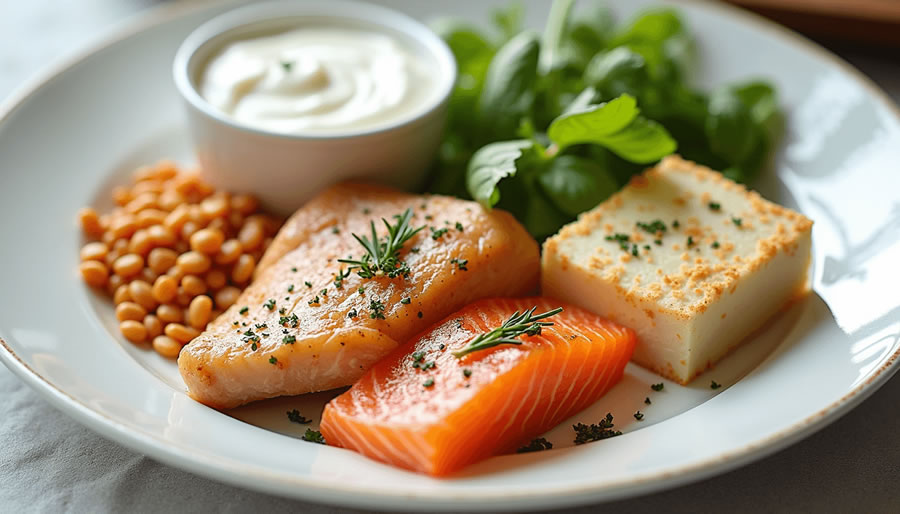
Good sources of protein
Animal sources:
- Chicken breast
- Turkey
- Lean beef
- Fish
- Eggs
- Greek yogurt
- Cottage cheese
- Milk
Plant sources:
- Tofu
- Tempeh
- Lentils
- Chickpeas
- Beans
- Edamame
- Quinoa
Simple goal
Try to include a source of protein with every meal.
Carbohydrates – Your Body's Main Energy Source
Carbohydrates often get a bad reputation, but your body needs them.
Carbohydrates provide energy for:
- Daily activities
- Brain function
- Exercise performance
- Recovery after workouts
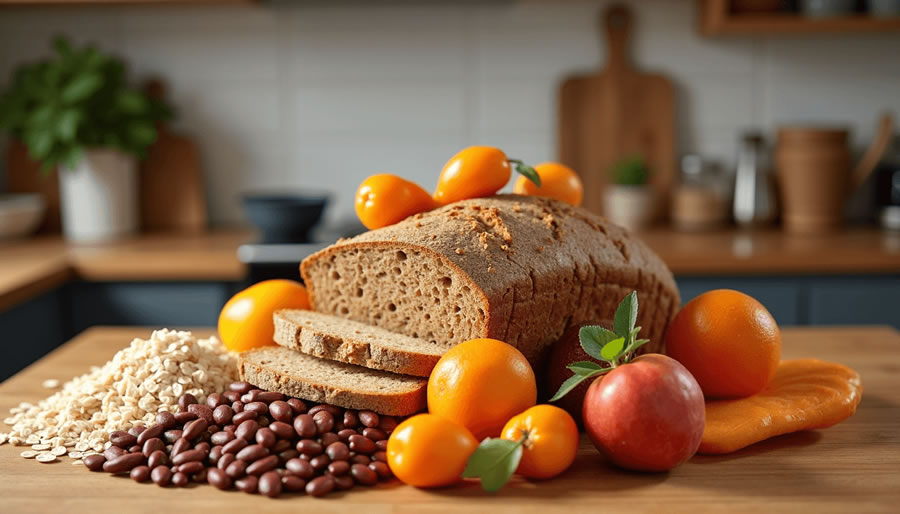
Good carbohydrates
Choose mostly whole-food sources:
- Oats
- Rice
- Potatoes
- Sweet potatoes
- Wholegrain bread
- Wholegrain pasta
- Fruit
- Beans
- Lentils
Carbohydrates are especially important if you:
- Walk a lot
- Strength train
- Run
- Exercise regularly
Try to limit (not eliminate)
- Sweets
- Sugary drinks
- Cakes
- Pastries
- Highly processed snacks
Healthy Fats – Essential For Hormones And Health
Fat is another nutrient that many people fear unnecessarily.
Healthy fats are essential for:
- Hormone production
- Brain health
- Joint health
- Skin health
- Vitamin absorption
- Long-lasting energy
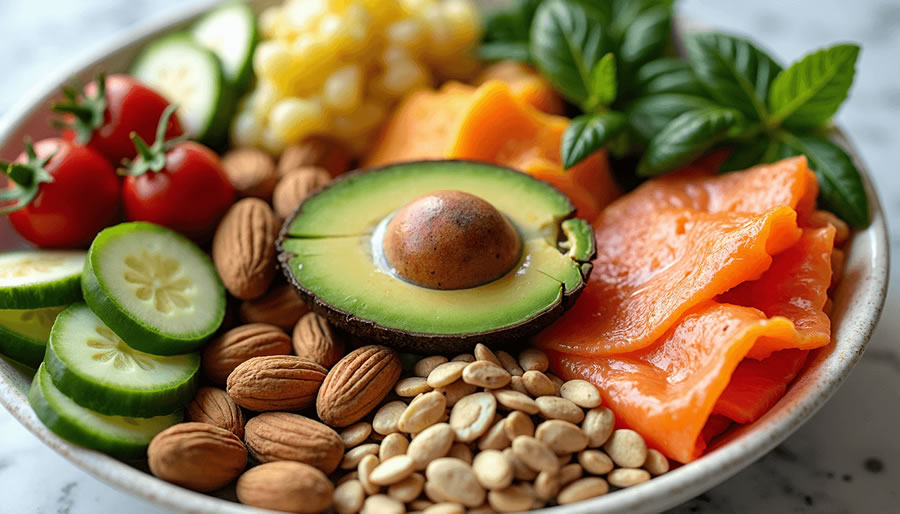
Healthy fat sources
- Avocado
- Olive oil
- Nuts
- Seeds
- Nut butter
- Salmon
- Mackerel
- Sardines
- Eggs
What should a balanced plate look like?
A simple way to build meals:
Half the plate
🥦 Vegetables
Quarter of the plate
🍗 Protein
Quarter of the plate
🍚 Carbohydrates
Add
🥑 A small amount of healthy fats
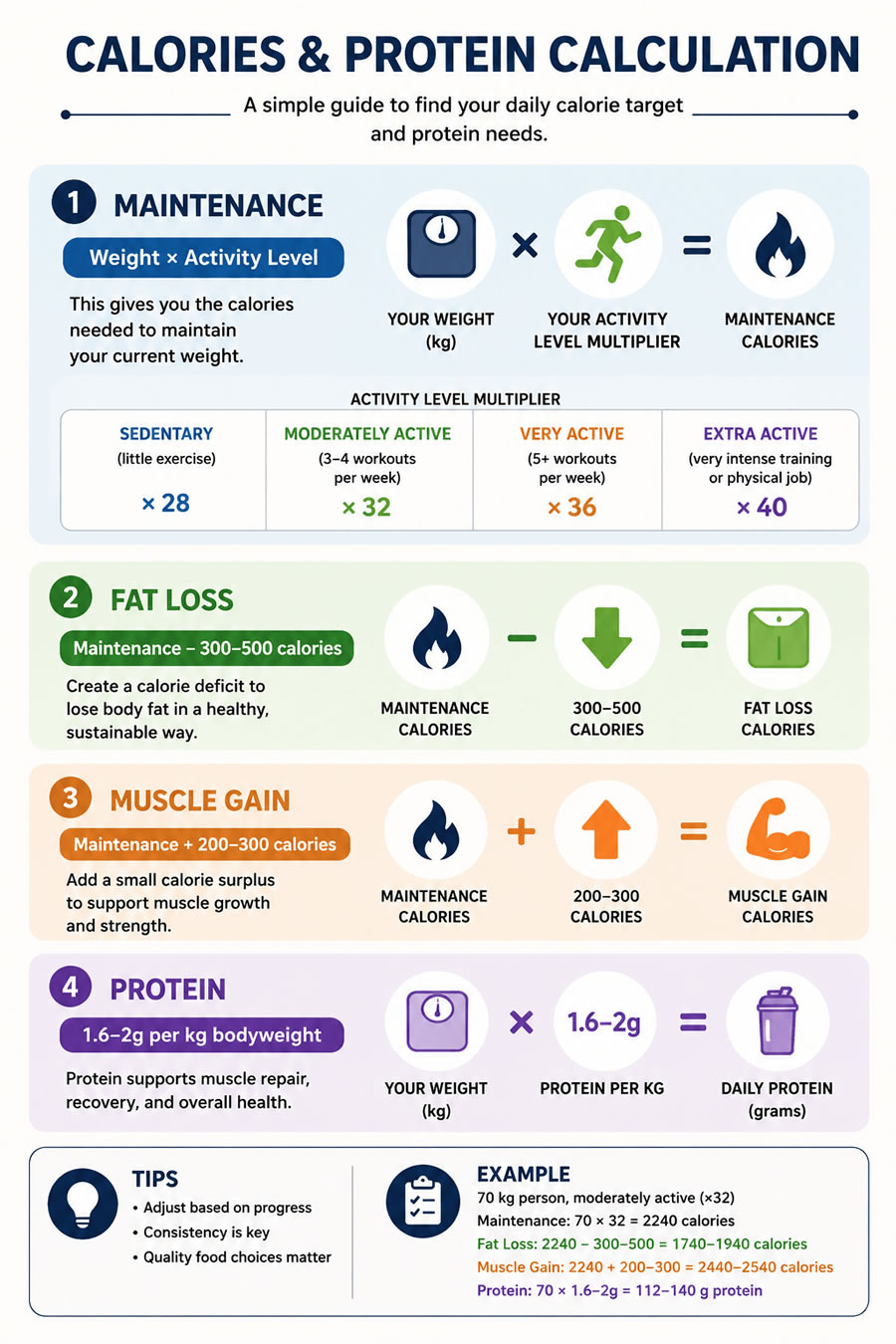
How to Calculate Your Daily Calories
Don't Forget the Water!
Hydration is extremely important

Final Thoughts!
Don’t chase perfection.
You do not need to eat perfectly every day to see results.
Focus on consistency.
Remember these simple rules:
✅ Eat protein with every meal.
✅ Include fruits and vegetables every day.
✅ Don’t fear carbohydrates.
✅ Include healthy fats.
✅ Stay hydrated.
✅ Build habits you can maintain for life.
Healthy eating is not a temporary diet. It is a lifestyle that supports your energy, health and long-term results.
BodyAppeal Tip: Progress is built through small daily actions repeated consistently over time. 💕
Nutrition For Beginners in One Minute!
✅ Protein: 1.6–2g per kg bodyweight
✅ Half your plate should be vegetables
✅ Carbohydrates are your body’s main energy source
✅ Healthy fats support hormones and brain health
✅ Drink 2–3 litres of water daily
✅ Weight loss = maintenance calories −300 to −500
Frequently Asked Questions
Your body needs three macronutrients every day:
- Protein to build and repair muscles and tissues.
- Carbohydrates to provide energy for your brain and body.
- Healthy fats to support hormones, brain function and overall health.
Eating a balance of all three helps your body perform at its best.
A good starting point is 1.6 to 2 grams of protein per kilogram of body weight if you’re exercising regularly or looking to build or maintain muscle.
For example:
- 60 kg = 96-120 g
- 70 kg = 112-140 g
- 80 kg = 128-160 g
No.
Carbohydrates are your body’s preferred source of energy and are important for exercise, recovery and brain function.
Rather than avoiding carbohydrates, choose whole-food sources such as oats, potatoes, rice, fruit, beans and wholegrain bread.
- Chicken
- Turkey
- Fish
- Eggs
- Greek yoghurt
- Cottage cheese
- Lean beef
- Lentils
- Chickpeas
- Tofu
- Beans
Most adults should aim for approximately:
- Women: 2-2.5 litres per day
- Men: 2.5-3 litres per day
If you exercise regularly or work in hot conditions, you’ll usually need more.
A simple method is:
- Weigh yourself in kilograms.
- Multiply your weight by an activity factor.
- Adjust calories depending on whether your goal is weight loss, maintenance or muscle gain.
This provides a useful starting point that can be refined based on your progress.
Not necessarily.
Many people can achieve excellent results simply by:
- Eating mostly whole foods
- Including protein with every meal
- Eating plenty of vegetables
- Controlling portion sizes
- Being physically active
Calorie tracking can be useful for some people but isn’t essential for everyone.
Copyright 2026 Body Appeal Fitness All rights reserved